- admin
- September 24, 2026
How Insulated Water Tanks Keep Your Water Cool in Summer
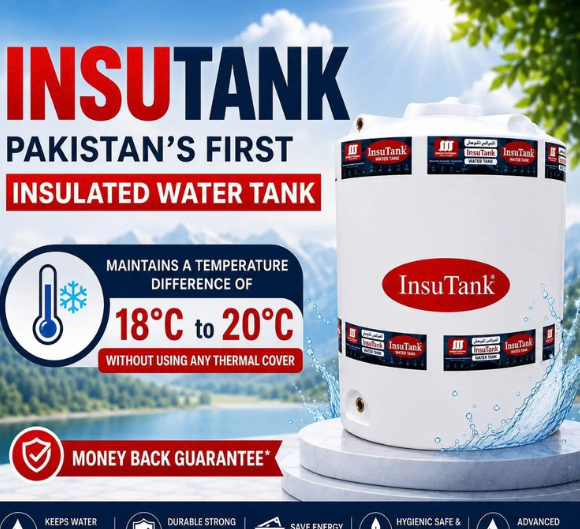
Discover how insulated water tanks like InsuTank keep stored water cooler during hot summer months, reducing the need for extra cooling and saving energy.
Summer heat doesn’t just affect the air around you — it directly impacts the water sitting in your rooftop or outdoor tank. If you’ve ever turned on a tap in July and been surprised by scalding hot water, you already know the problem with traditional plastic tanks.
Why Regular Tanks Struggle in Summer
Standard water tanks are usually made from a single layer of plastic. While the material itself is durable, it offers almost no protection against heat transfer. Direct sunlight heats the tank’s surface, and that heat quickly passes through to the water inside — sometimes making it too hot to use comfortably, even for basic tasks like washing dishes or hands.
How Insulation Changes the Equation
An insulated water tank works differently. Instead of a single wall, it uses multiple layers — typically a food-grade inner layer, a middle insulating layer, and a durable outer shell. That middle layer is the key: it slows down heat transfer from the outside environment, keeping the water noticeably cooler even during peak summer temperatures.
This means:
- Less reliance on running taps for several minutes before water cools down
- Reduced strain on cooling systems, RO plants, or chillers connected to your water supply
- More comfortable water temperatures for daily household or commercial use
Energy and Cost Benefits
Because insulated tanks reduce the amount of heat entering the water, any cooling systems connected downstream don’t have to work as hard. Over time, this can translate into lower energy bills, especially for businesses or facilities that rely on consistent water temperatures for operations.
A Smarter Long-Term Investment
While insulated tanks may cost more upfront than basic plastic tanks, the comfort and potential energy savings often make up for the difference over time. For homes, farms, schools, and commercial spaces alike, staying cool in summer isn’t just about air conditioning — it starts with the water you use every day.
